
Home Charging Infrastructure for Electric Vehicles
EV Charger Installation in Lyman for electric vehicle owners requiring convenient home charging solutions
Charging an electric vehicle from a standard 120-volt outlet delivers roughly 4 miles of range per hour, which fails to meet daily driving needs for most households and leaves the vehicle depleted after commutes or errands. Installing a Level 2 charger operating at 240 volts restores 25 to 40 miles of range per hour, allowing overnight charging to fully replenish the battery between uses and eliminating reliance on public charging infrastructure. Laprise Electrical installs EV chargers in Lyman homes by running dedicated circuits from the electrical panel to garage or exterior mounting locations, sized according to the vehicle's onboard charger capacity and the homeowner's desired charging speed.
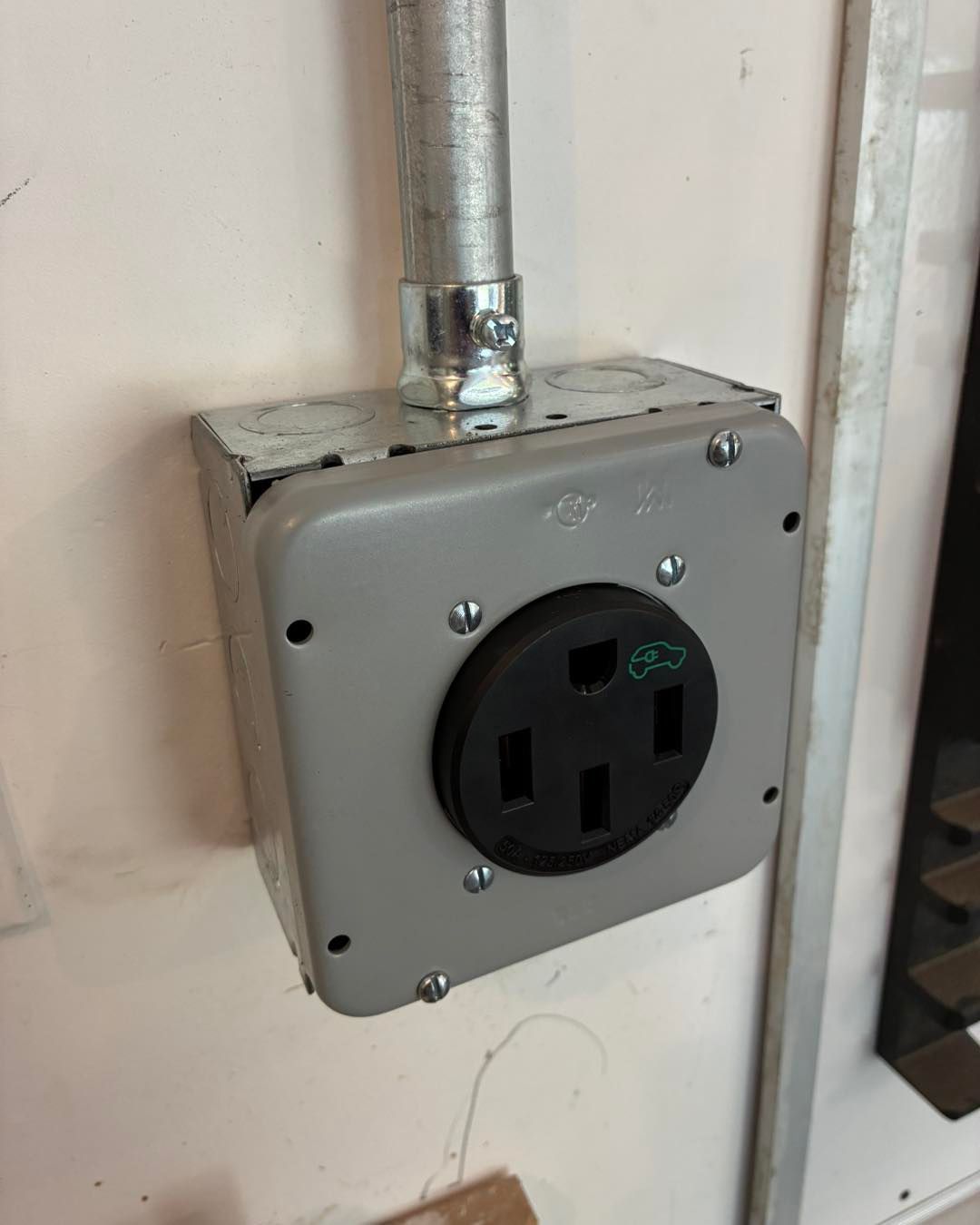
The installation process begins with evaluating whether the existing electrical panel has available capacity and breaker slots for the new circuit, which typically draws 30 to 50 amps continuously during charging. If the panel is undersized or lacks capacity, a panel upgrade may be required before the charger circuit can be added. The charger is mounted on a garage wall or exterior post within reach of the vehicle's charge port, with conduit protecting the wiring from physical damage and weatherproof enclosures for outdoor installations.
Schedule an evaluation to assess your electrical system capacity and determine the appropriate charger configuration for your vehicle and property layout.
How Dedicated Circuits Support Reliable EV Charging
A dedicated circuit prevents the charger from overloading existing circuits shared with other appliances, which would cause breakers to trip and interrupt charging overnight. The circuit is sized to handle the charger's maximum continuous load without exceeding 80 percent of the breaker's rated capacity, a code requirement that prevents heat buildup in wiring and connections. Laprise Electrical selects wire gauge, breaker size, and conduit routing based on the distance from the panel to the charger location and the specific amperage requirements of the charging equipment.
After installation, you'll notice that the vehicle charges fully overnight without interruption, the charger displays ready status when connected, and the system operates without affecting other household circuits or causing nuisance breaker trips. The charger's control features often include scheduling to take advantage of off-peak electricity rates, load management to coordinate with other high-demand appliances, and connectivity for monitoring charging status remotely.
Charger installations vary based on whether the vehicle supports 32-amp or 48-amp charging rates, with higher-capacity vehicles benefiting from larger circuits that deliver faster replenishment. Homeowners planning to own multiple electric vehicles may choose to install a second charger circuit or a load-sharing system that divides available capacity between two chargers, reducing peak demand on the electrical panel.
Questions Homeowners Ask Before Installing EV Chargers
Electric vehicle adoption in Southern Maine has increased demand for home charging infrastructure, particularly as cold-weather range considerations make overnight charging essential for daily usability.
What electrical capacity is required for Level 2 charger installation?
Most Level 2 chargers require a 240-volt circuit rated for 40 to 60 amps, depending on the charger's maximum output and the vehicle's onboard charging capacity. Homes with 100-amp electrical service may lack sufficient capacity to add a charger circuit without upgrading the main panel, particularly if electric heating or other high-demand systems are already installed.
How is the charger location determined during installation planning?
The charger must be mounted within cable reach of the vehicle's charge port when parked, typically 15 to 25 feet depending on the cable length supplied with the charger. Laprise Electrical evaluates garage layouts, parking pad locations, and the shortest conduit route from the panel to the mounting location, balancing convenience with installation efficiency.
What happens if the existing panel cannot support an EV charger circuit?
The panel may require upgrading to a higher amperage rating, or load management equipment can be installed to coordinate the charger with other large appliances like water heaters or dryers, preventing simultaneous operation that would exceed panel capacity. Some modern chargers include built-in load management features that throttle charging speed when household demand is high.
When should charger installation be scheduled relative to vehicle delivery?
Installing the charger before the vehicle arrives ensures home charging is ready from the first day of ownership, avoiding dependence on public charging infrastructure during the initial ownership period. Scheduling installation several weeks in advance allows time for panel evaluations, permit processing, and material procurement without rushing the work.
What differences exist between hardwired and plug-in charger installations?
Hardwired chargers connect directly to the dedicated circuit without a plug, creating a permanent installation that meets code requirements in all jurisdictions. Plug-in chargers use a 240-volt outlet similar to a dryer receptacle, offering portability but requiring additional materials and potentially higher installation costs depending on local code interpretations.
Laprise Electrical integrates EV chargers into existing residential electrical systems by evaluating current panel capacity, determining appropriate circuit sizing, and coordinating installation with homeowner timelines. Contact the office to schedule an estimate and review charger options compatible with your vehicle and property configuration.