
Backup Power That Activates Without Intervention
Generator Installation in Lyman for homes requiring automatic backup power during utility outages
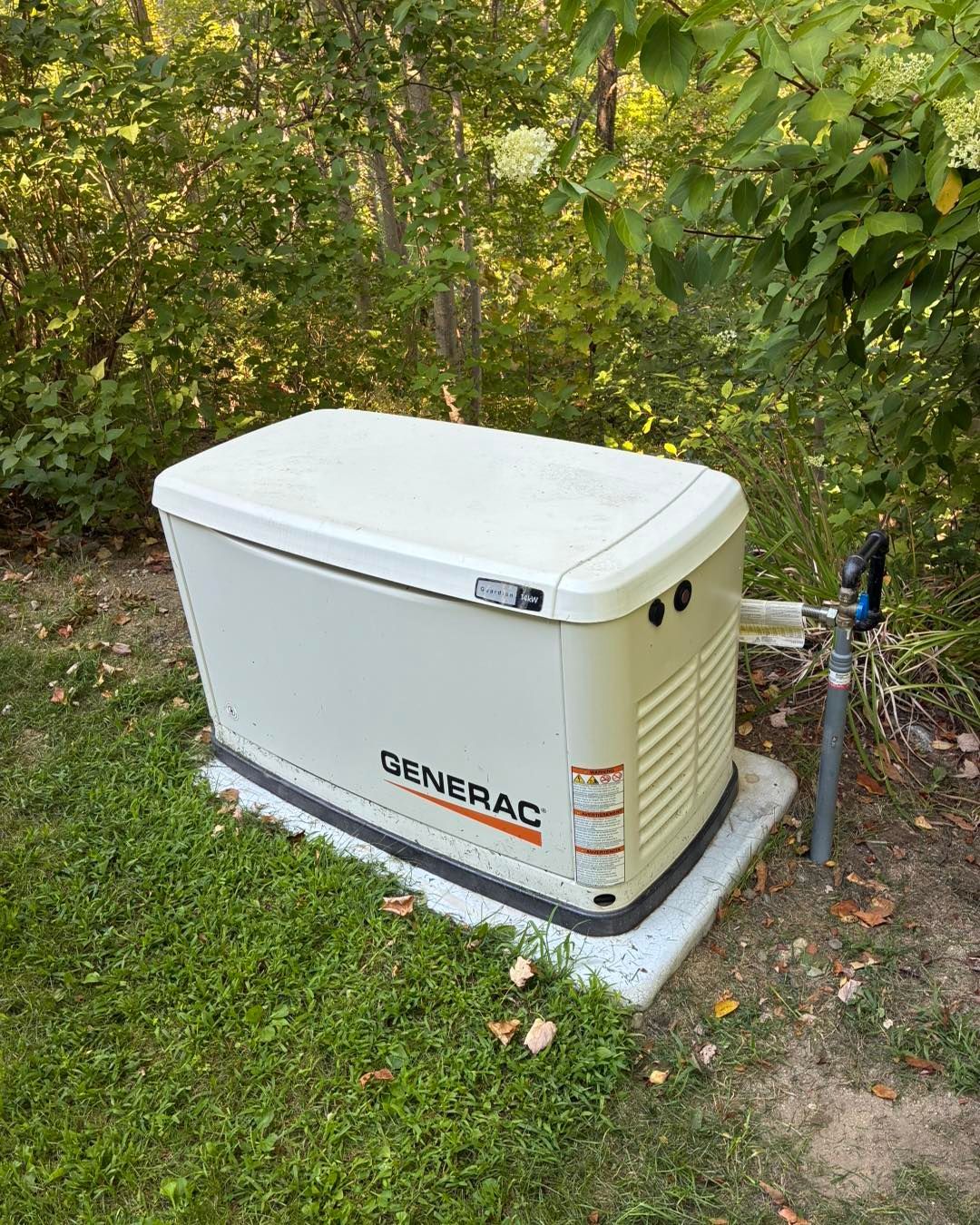
Power outages during winter storms disrupt heating systems, well pumps, refrigeration, and lighting, often for extended periods when utility crews face widespread damage across Southern Maine. Laprise Electrical installs automatic standby generators that detect power loss and restore electricity to essential circuits within seconds, operating independently until utility power returns. As a Generac Certified Installer, the company integrates generator systems with existing electrical panels through transfer switches that isolate the home from the utility grid during generator operation, preventing backfeed and ensuring safe power distribution. For homeowners seeking a budget-friendly alternative to automatic standby units, the team also installs exterior generator inlet boxes paired with a manual panel interlock kit, allowing you to safely connect a portable generator to power essential circuits.
Generator installation begins with evaluating which circuits require backup power—typically heating systems, well pumps, refrigerators, lighting circuits, and internet equipment—and calculating the total wattage those systems draw during simultaneous operation. The generator is sized to handle that load with capacity for startup surges, particularly for motor-driven equipment like pumps and HVAC blowers. Installation involves placing the generator on a concrete pad with proper clearance from structures and intake vents, connecting fuel supply lines, installing the transfer switch adjacent to the main panel, and programming the system to start automatically during outages.
Arrange a consultation to assess your household power requirements and review generator sizing options for your property.
What Automatic Transfer Switches Accomplish During Power Loss
A transfer switch monitors utility voltage and switches power sources when it detects an outage, signaling the generator to start while isolating the home from the utility grid. Without this isolation, generator power would flow backward into utility lines, creating electrocution hazards for line workers and damaging the generator when utility power returns. The switch allows you to pre-select which circuits receive backup power, directing generator capacity toward essential systems rather than attempting to power the entire home.
Once the system is operational, you'll notice that lights, heating equipment, and well pumps continue running during outages without requiring manual startup or monitoring. The generator exercises itself weekly to verify mechanical readiness, shuts down automatically when utility power stabilizes, and returns the home to grid power without occupant intervention. Fuel consumption depends on load size and outage duration, with propane or natural gas systems offering extended runtime compared to portable gasoline generators.
Generator recommendations vary based on whether your home uses municipal water or a well pump, electric or oil heat, and whether you prioritize whole-house backup or selective circuit coverage. Whole-house systems require larger generators and higher fuel consumption, while load-managed systems use smaller units that rotate power among non-simultaneous loads like water heaters and dryers.
For homeowners seeking an alternative to automatic standby units, we also install generator inlet boxes paired with a manual panel interlock kit. This setup allows you to safely connect a portable generator directly to your existing electrical panel, giving you manual control over which circuits to power during an outage without the risk of utility backfeeding.
What Homeowners Ask About Backup Generator Systems
Homes in Lyman frequently experience multi-hour outages during ice storms and nor'easters, particularly in areas where overhead lines traverse wooded corridors prone to branch damage.
How is generator size determined for a specific home?
The calculation totals the running wattage of all circuits you want powered simultaneously, adds startup surge capacity for motors and compressors, and selects a generator rated above that combined load. A typical home with oil heat, a well pump, refrigerator, and several lighting circuits often requires a 12-14kW generator, while homes with electric heat or multiple large appliances may need 20kW or larger units.
What fuel sources work for standby generators in Southern Maine?
Most installations use propane from dedicated tanks or natural gas from municipal lines where available. Propane offers independence from utility infrastructure and works reliably in cold temperatures, though it requires tank refills based on usage. Natural gas eliminates refueling concerns but depends on gas service remaining operational during outages.
What happens during the installation process?
Laprise Electrical coordinates generator placement to meet clearance requirements from windows, air intakes, and property lines, pours a concrete pad for stable mounting, runs electrical conduit from the transfer switch to the generator location, connects fuel lines, and programs the control system. The work also includes testing all selected circuits under generator power to verify proper operation.
When should a generator system be installed relative to outage seasons?
Installation before winter ensures availability during the highest-risk period for extended outages, though scheduling during warmer months often provides more flexible installation windows and avoids the rush when storms approach. Generators can be installed year-round, but frozen ground complicates pad placement and trenching for fuel lines.
What maintenance do standby generators require after installation?
Generators need annual servicing that includes oil changes, air filter replacement, spark plug inspection, battery testing, and exercise cycle verification. The automatic exercise function runs the generator weekly under no-load conditions to keep the engine and transfer switch components operational between outages.
Is there a budget-friendly alternative to an automatic standby generator?
Yes. If you prefer a second option to an automatic system, we can install a exterior generator inlet box paired with a manual interlock kit on your main electrical panel. This setup allows you to safely connect a portable generator to power specific home circuits during a utility outage, providing a reliable, cost-effective manual backup solution.
Laprise Electrical evaluates existing electrical capacity to confirm your panel can accommodate the transfer switch and identifies any service upgrades needed before generator installation. Contact the office to schedule an evaluation and receive equipment recommendations based on your home's specific power needs.