
Electrical Connections Designed for Water Environments
Pool & Hot Tub Wiring in Lyman for safe electrical installation around pools, spas, and hot tubs
Electrical wiring around water requires dedicated circuits, specific grounding methods, and ground-fault protection that disconnects power instantly when current leakage is detected. Proper installation involves running appropriately rated conductors from the main panel to a disconnect enclosure located within sight of the equipment, connecting ground wires to all metal components within five feet of the water, and installing GFCI breakers that trip when they detect even minor imbalances between hot and neutral conductors. Laprise Electrical handles pool and hot tub wiring in Lyman with attention to code requirements that govern conductor sizing, bonding grids, and equipment placement relative to water edges.
The work includes evaluating whether the existing panel has capacity for the additional load, determining the correct wire gauge based on equipment amperage and distance from the panel, and coordinating installation timing with contractors handling decking, plumbing, or equipment placement. Hot tubs typically require 240-volt circuits rated for 40 to 60 amps, while pool pumps and heaters may draw different loads that require separate circuits. Each installation is configured to match the manufacturer's specifications for the specific equipment being installed.
Request an estimate for pool or hot tub electrical connections tailored to your equipment specifications and installation timeline.
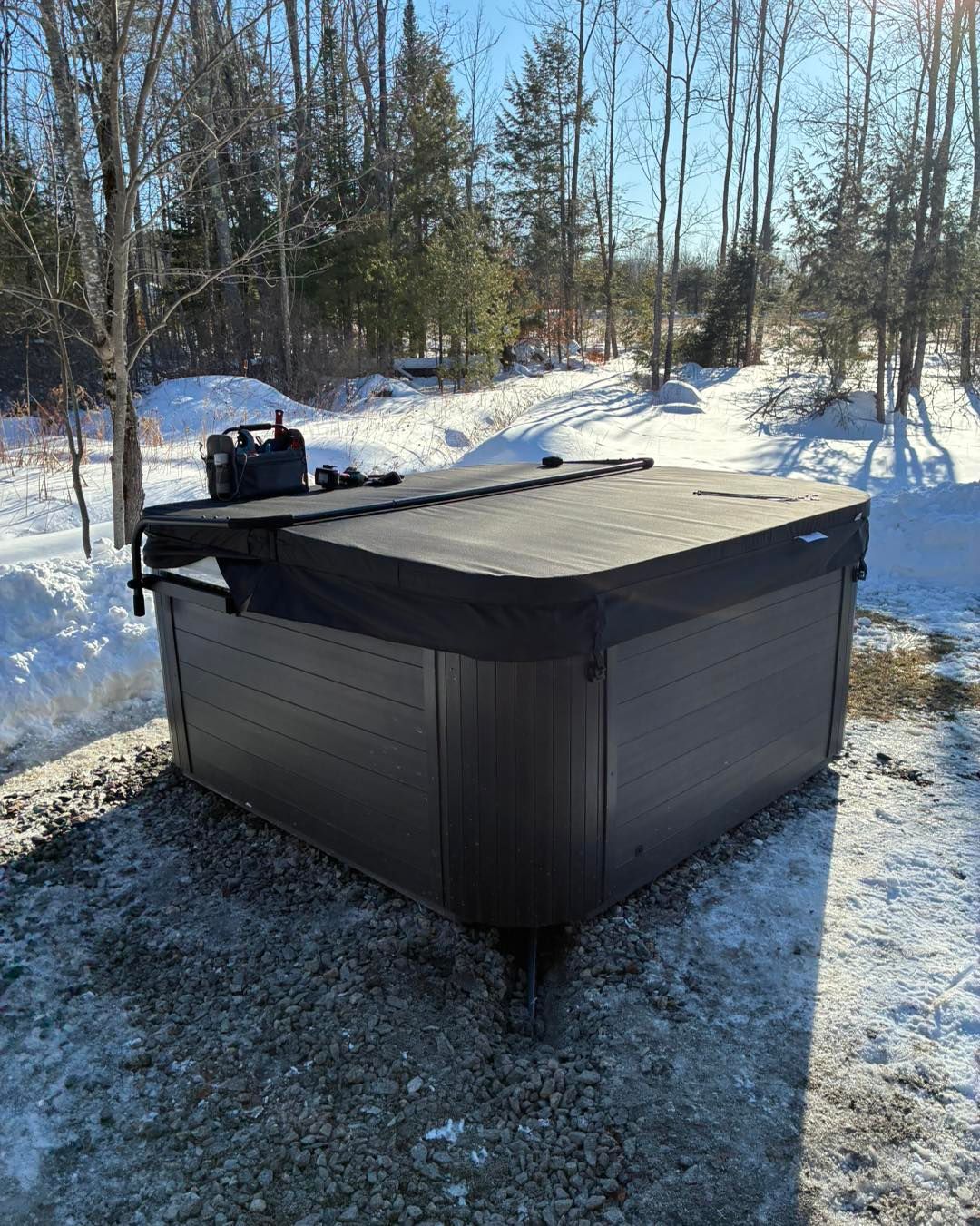
What Bonding and Grounding Accomplish Around Water
Bonding connects all metal components near the water—ladders, handrails, pump housings, light fixtures, and reinforcing steel in concrete—into a single electrical potential, preventing voltage differences that could cause shock if someone touches two objects simultaneously. This bonding grid uses bare copper wire sized according to code requirements and ties into the grounding system at the main panel, creating a path for fault currents to trip breakers before dangerous voltage levels develop. GFCI protection adds a second layer by detecting tiny current imbalances and cutting power within milliseconds.
After installation, you'll see a disconnect box mounted on an exterior wall within sight of the hot tub or pool equipment, clearly labeled breakers in the main panel dedicated to water feature circuits, and proper conduit protection for all outdoor wiring exposed to weather and physical contact. Equipment operates reliably without nuisance tripping, and the installation passes electrical inspections required by most municipalities before final occupancy or equipment startup.
Installations around existing pools often require trenching to run new circuits from the house to equipment locations, which involves coordinating with landscaping, decking, or hardscaping work to minimize disruption. The disconnect enclosure must remain accessible year-round and cannot be blocked by furniture, planters, or structures added after the electrical work is completed.
Common Questions About Pool and Hot Tub Electrical Work
Southern Maine's seasonal use of outdoor water features means electrical systems must withstand freeze-thaw cycles, snow loads on equipment enclosures, and extended periods of inactivity between operating seasons.
What distinguishes pool wiring from standard outdoor electrical circuits?
Pool and spa wiring requires bonding of all metal components within the bonding zone, GFCI protection on all circuits supplying equipment, specific clearances between overhead wiring and water edges, and use of corrosion-resistant materials rated for wet locations. These requirements exceed standard outdoor outlet installations and involve more extensive grounding methods.
How is the correct circuit size determined for hot tub installations?
The hot tub manufacturer provides amperage requirements on the equipment nameplate, which determines the minimum wire gauge and breaker size. A 50-amp hot tub requires 6-gauge copper wire on a 50-amp breaker, while a 60-amp unit needs 4-gauge wire. Undersizing the circuit causes breakers to trip during normal operation, while oversizing creates safety hazards.
What role does the disconnect serve in pool and spa installations?
The disconnect provides a visible means to de-energize equipment for servicing, allows emergency shutoff within sight of the water, and meets code requirements that prevent energized work on submerged lighting or pumps. It must be located at least five feet from the water's edge but close enough that someone standing at the equipment can see the disconnect enclosure.
When should electrical work be completed relative to other pool or hot tub installation steps?
Electrical rough-in occurs after equipment placement is finalized but before decking, concrete, or landscaping covers the areas where conduit and bonding wire must be installed. Laprise Electrical coordinates with general contractors and pool installers to sequence the work appropriately and avoid rework when access is blocked.
What electrical components require inspection before water features become operational?
Inspectors verify bonding connections to all metal components, GFCI protection on required circuits, proper wire sizing and conduit installation, disconnect placement and labeling, and grounding continuity from the equipment back to the main panel. Most municipalities in Southern Maine require inspection sign-off before pools or hot tubs can be filled and energized.
Laprise Electrical works with homeowners and contractors throughout the installation process to ensure electrical connections meet manufacturer specifications and comply with applicable safety codes. Schedule a consultation to review your pool or hot tub electrical requirements and coordinate installation timing with your project schedule.