Updating Electrical Systems in Aging Homes
Old House Wiring in Lyman for properties with outdated wiring requiring safety evaluation and modernization
Homes built before modern electrical codes often contain wiring that wasn't designed for today's electrical demands. Many historic and long-standing Maine homes still operate with original electrical systems that lack grounding, use outdated insulation materials, or provide insufficient capacity for heating, appliances, and electronics. Laprise Electrical evaluates aging electrical systems to identify safety concerns and develop plans for modernization that preserve the home's character while improving reliability and meeting current safety standards.
This service addresses common problems found in older structures, including knob-and-tube wiring, ungrounded outlets, undersized service panels, and cloth-insulated wiring that deteriorates over time. Evaluation determines which sections pose immediate safety risks, what can remain in service with modifications, and how new electrical demands can be integrated without completely rewiring the entire structure. Careful planning allows selective upgrades that address critical issues while respecting the home's construction.
Schedule a wiring assessment to identify specific safety concerns and upgrade options for your older home.
What Older Homes Require for Safe Electrical Operation
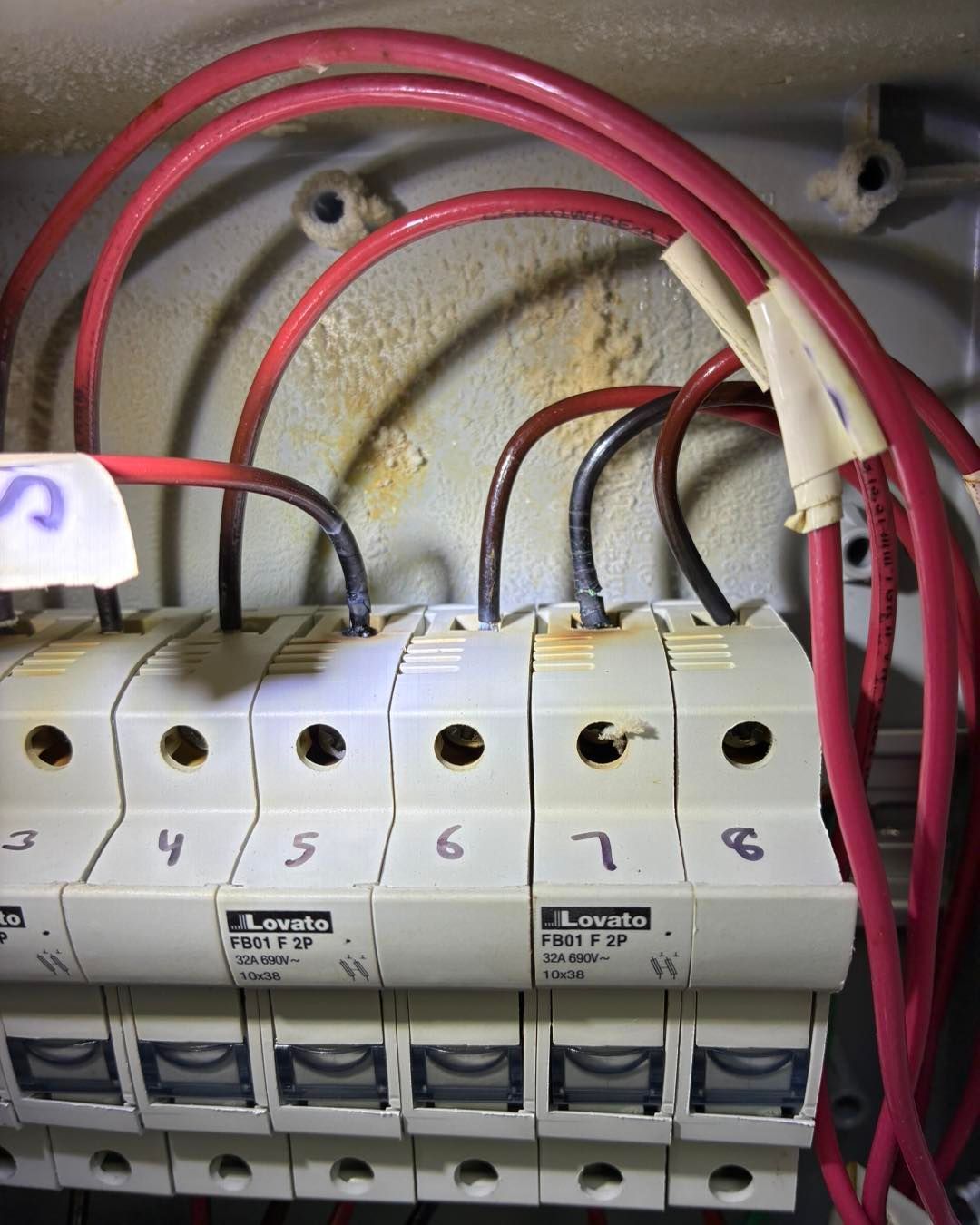
Older home electrical work involves mapping existing wiring to understand how circuits currently run, testing for proper grounding and insulation integrity, and determining which components fail to meet safety standards. Upgrades often include replacing two-prong outlets with grounded three-prong versions, adding GFCI protection in kitchens and bathrooms, increasing circuit capacity in rooms where electrical use has grown, and removing obsolete wiring types that insurance companies flag as hazards. The process respects the home's structure by routing new wiring through existing pathways when possible and minimizing wall damage during installation.
After modernization, your older home operates with reliable electrical service that handles modern loads without overheating circuits or causing safety concerns. Outlets accept three-prong plugs, GFCI protection prevents shock hazards in wet areas, and circuits deliver consistent power without the voltage drops common in undersized wiring. Insurance concerns related to outdated wiring are resolved, and the electrical system supports current living requirements while maintaining the home's historic integrity.
The extent of work depends on what wiring types exist, how deteriorated insulation has become, and what new electrical demands you need the system to support. Some projects involve complete rewiring while others focus on upgrading specific circuits or adding capacity in targeted areas.
What Property Owners Usually Ask
Owners of older homes throughout Southern Maine typically need clarity on safety risks, upgrade options, and how work affects their property's character.
What wiring types in older homes create safety concerns?
Knob-and-tube wiring lacks grounding and can overheat when insulation is added around it, cloth-insulated wiring becomes brittle and exposes conductors, aluminum wiring expands and contracts causing loose connections, and ungrounded systems fail to protect against shock hazards.
How do you evaluate electrical systems in historic Lyman homes?
Evaluation includes inspecting visible wiring for insulation condition and connection quality, testing outlets for proper grounding, checking panel capacity against current electrical loads, and identifying circuits that lack required protection like GFCI or AFCI devices.
What gets prioritized when upgrading old house wiring?
Immediate safety hazards receive attention first, followed by circuits serving critical equipment like heating systems, then areas where electrical demands exceed original capacity, and finally cosmetic improvements like adding outlets in convenient locations.
Why does old wiring fail to handle modern electrical equipment?
Original wiring was sized for lighting and small appliances, not air conditioning, electric heating, computers, and kitchen equipment that draw sustained high current, causing voltage drops and overheating in undersized conductors.
What changes after electrical upgrades in an older home?
Your home supports modern electrical loads without tripped breakers or dimming lights, outlets provide proper grounding for sensitive electronics, safety devices protect against shocks and arc faults, and insurance concerns related to obsolete wiring are eliminated.
Laprise Electrical specializes in electrical evaluation and upgrades for older homes across Southern Maine, addressing safety concerns while respecting historic construction. Arrange a consultation to discuss your older home's wiring condition and what improvements will support safe, reliable electrical service.