Electrical Integration for Residential Solar Systems
Solar Electrical in Lyman for homes adding photovoltaic systems and supporting electrical infrastructure
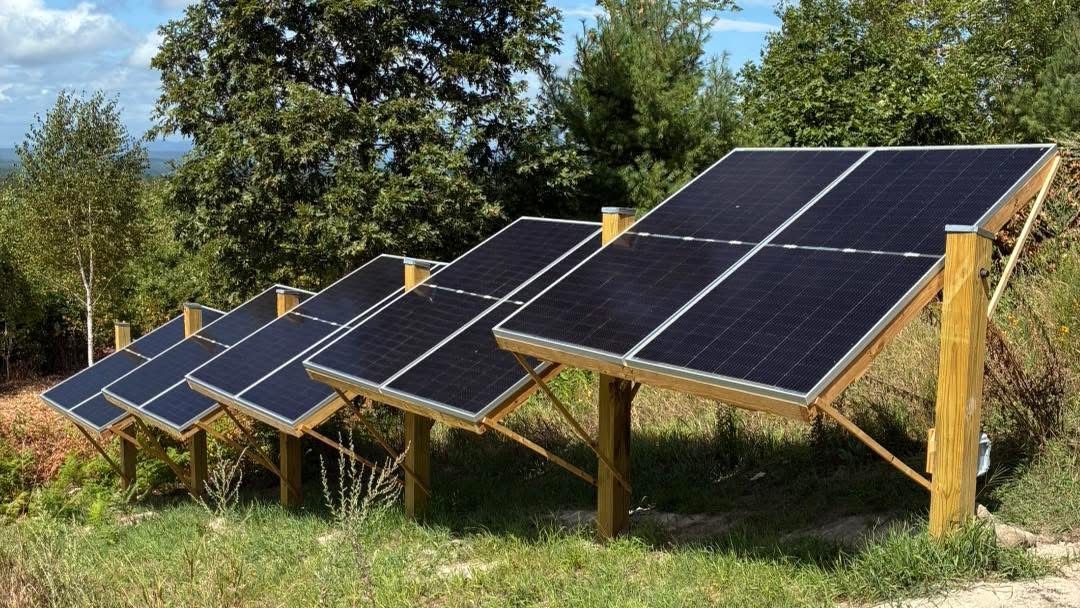
Solar photovoltaic systems generate DC power that must be converted to AC power, integrated with the existing electrical panel through properly rated breakers, and isolated from the utility grid during outages to protect line workers. The electrical work supporting solar installations includes upgrading panels when existing equipment lacks capacity for the solar backfeed breaker, installing disconnects that allow safe system shutdown, and verifying that all connections meet code requirements for over-current protection and grounding. Laprise Electrical handles the electrical integration portion of solar projects in Lyman, coordinating with solar installers to ensure the system connects safely to the home's existing electrical infrastructure.
The process begins with evaluating whether the current panel can accommodate a solar backfeed breaker, which must be sized according to the inverter's maximum output and positioned to comply with bus bar rating limits. Many older panels require replacement before solar integration because the combined rating of all breakers, including the main breaker and solar breaker, cannot exceed 120 percent of the panel's bus bar rating. The work also includes installing rapid shutdown equipment that de-energizes roof-mounted panels when the system is turned off, a code requirement adopted to protect firefighters and maintenance workers.
Arrange a consultation to evaluate your current electrical system and identify any upgrades required before solar installation proceeds.
What Solar Integration Requires Beyond Panel Mounting
Solar electrical work involves running conductors from the inverter to the main panel, installing disconnect switches that allow the system to be de-energized at multiple points, bonding all equipment to the grounding system, and configuring the inverter to shut down when grid power fails. The inverter converts DC power from the panels into AC power synchronized with grid frequency and voltage, feeding that power back through a dedicated breaker that offsets household consumption. When generation exceeds consumption, excess power flows to the utility grid through the meter, which must be replaced with a bidirectional meter capable of measuring both imported and exported electricity.
Once the system is operational, you'll notice that daytime electricity consumption draws first from solar production before pulling from the grid, and the electrical panel displays a clearly labeled solar breaker sized according to the inverter's output rating. The system requires no manual operation under normal conditions, automatically starting production at sunrise and shutting down at sunset or during grid outages.
Homes adding battery storage alongside solar require additional electrical integration, including a subpanel that isolates critical circuits backed up by the battery, transfer equipment that switches between grid, solar, and battery power, and larger conductors to handle charging and discharging currents. Battery systems allow solar power to supply the home during outages, unlike grid-tied systems that shut down when utility power fails.
What Property Owners Want to Know About Solar Electrical Work
Southern Maine's solar incentives and net metering policies have increased residential solar adoption, making electrical system compatibility a common consideration during project planning.
What electrical components must be upgraded when adding solar to an existing home?
Many homes require panel upgrades because the existing panel's bus bar cannot safely accommodate both the main breaker and a solar backfeed breaker within code-specified limits. Older panels also lack physical space for the additional breakers, disconnects, and monitoring equipment required by modern solar installations.
How does solar electrical work differ from the panel installation performed by solar contractors?
Solar installers mount the panels and run conduit from the roof to the inverter location, while licensed electricians handle connections from the inverter to the main panel, perform panel upgrades if needed, install required disconnects, and verify that all work meets electrical code. Laprise Electrical coordinates with solar installers to sequence the work and ensure all components integrate correctly.
What happens to solar production during power outages?
Standard grid-tied systems shut down when utility power fails, preventing backfeed into utility lines that could endanger workers restoring power. Systems with battery storage can continue supplying backed-up circuits during outages through transfer equipment that isolates the home from the grid while the solar and battery system operates independently.
When should electrical evaluations occur relative to solar project timelines?
Panel capacity and upgrade requirements should be assessed before finalizing solar system sizing, as undersized electrical infrastructure may limit the solar array size that can be installed. Early evaluation allows time for panel upgrades to be completed before solar installation begins, avoiding project delays.
What electrical documentation is required for solar interconnection approval?
Utilities require electrical diagrams showing panel ratings, breaker sizing, disconnect locations, and grounding methods before authorizing grid connection. Municipalities require electrical permits and inspections covering the inverter installation, panel modifications, and all wiring between the solar equipment and the main electrical system.
Laprise Electrical evaluates existing electrical systems to determine compatibility with planned solar installations and performs necessary upgrades to support safe system integration. Contact the office to discuss solar-related electrical requirements and schedule assessments before your solar project begins.